
Field Note No. 5 - Fire and Rain
(The Reignition Principle)
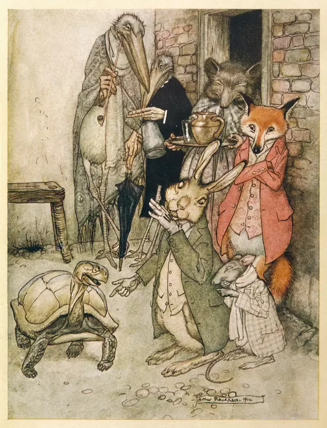
You thought the tortoise gave the hare a run for his money, or that nail-biter with the mouse and the lion had drama? Cozy up for the lesser-known duel between Fire and Rain: a battle staged one warm damp Carolina afternoon on the back forty, starring a stubborn man, a brush pile, and the entire water cycle.
It started with a dead tree. I’d already dropped it (see Field Notes on Tension), trimmed the good limbs into logs, and fed the smaller branches to a growing fire. It was one of those slow, steady burns — the kind that invites you to pull up a camp chair, a beverage, and a smoking pipe.

Then the clouds showed up. Big, dark, confident ones. They rolled in like an uninvited board of directors, blustering and bellowing, determined to conduct a “strategic realignment.” The first drops hit and the fire hissed its objections. Steam rose, almost like flared nostrils in retort.
The downpour came fast and hard. The flames ducked and sputtered, only to rally when the rain let up. Back and forth it went, heat against water, spark against storm: a full-scale elemental tug-of-war. I was feeding the fire between rounds, muttering advice neither combatant needed. For a while it looked even. Then the rain doubled down, and the blaze folded into smoke and ash. Round to the clouds.
When the storm finally moved on, I walked over to assess the loss. What looked like a pile of cold gray nothing turned out to be hiding something clever. The top layer of ash had baked itself into a thin crust; a light clay-like shell, courtesy of water and heat conspiring together. Beneath it, the embers were still roiling, quietly waiting. The ashes hadn’t given up; they’d built themselves armor.
So I did what any seasoned professional would do. I kicked it.
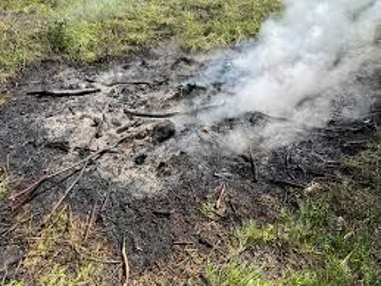
The crust cracked, air rushed in, and whoosh, up it came. The pungent smolder vanished quickly, replaced by clean flames climbing through the opening like it had something important to accomplish. Across the field, the retreating clouds might’ve looked back and wondered if they’d imagined the whole thing.
Turns out, teams aren’t that different from burn piles. Most don’t actually lose their fire; they just get starved of oxygen. A heavy stretch of meetings, more metrics, or mixed messages can crust over even the best of crews. You can dump all the fuel you want, more ideas from above, more incentives, more pep talks, but nothing reignites until someone lets the air back in.
That’s the quiet part of leadership no one applauds: knowing where to kick. Just enough to break the crust, not enough to scatter the embers. Sometimes it’s a small question, a laugh, a walk-around conversation — a little space for air to find its way through.
Because in the long rivalry between Fire and Rain, the winner is usually whoever remembers to breathe.
