
Faith Before the Breakdown
The morning light hits everything in the garage at once: the socket set, the stack of empty oil containers, the rag that should have been thrown away two changes ago. The concrete is cold, littered with grass clippings, and the air smells of gasoline pressing against what’s left of fresh air. I balance on a stool beside the mower, draining the oil that served valiantly over the last 20 hours. There’s no music, no rush, just the slurping sound of an emptying milkshake cup as the evacuation pump grabs the last vestiges of oil in the crankcase.
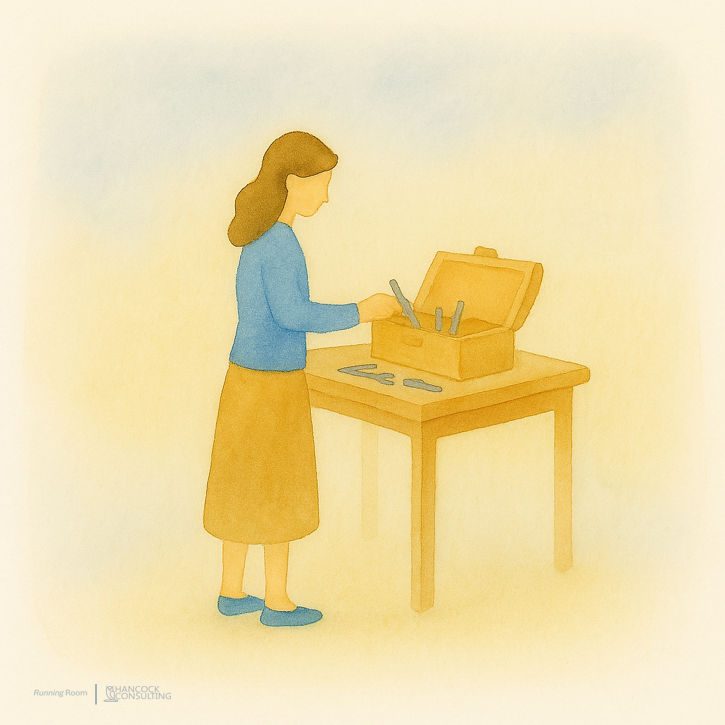
It’s not glamorous work, but everything else depends on it. The mower cuts faithfully because the engine is tended. The same is true for most of life. What we quietly maintain today will decide what runs tomorrow. Over the years, I’ve learned that preventive maintenance is the cheapest repair there is.
Most of life divides between holding position and advancing position. Maintenance holds what already exists: keeping the lights on, paying bills, showing up, mowing the established lawn (again). Advancing builds or grows; planting new ground, adding a venture, trying a harder thing. Both matter, but they depend on one another. A farm that only holds will slowly shrink and grow pale while a life that only advances will steal from tomorrow and fray at the edges. The wisdom is in knowing when to steady the line and when to push it forward.
Personal economics works the same way. Some situations are about holding: budgeting, saving, keeping the margin intact. Others are about advancing: investing, creating, building capacity. Both kinds of work are stewardship. The farmer who changes oil on a used mower is doing the same heart work as the planner who balances a household ledger. They both care for what was entrusted before chasing what they do not yet have.
Scripture ties the same idea to foresight. Proverbs says that steady planning brings profit, while haste leads to loss. The principle isn’t profit; it’s timely patience. Maintenance and budgeting may not feel spiritual, but they reflect faith. They say, “I trust that tomorrow will still matter enough to prepare for it.” Sometimes restraint is the purest act of belief.
When I finish, I wipe my hands, pour the old oil into a jug, and set everything back on the shelf. The smell lingers a bit longer, reminding me that’s the cost of readiness. The job isn’t heroic, and there are no trophies for participation. It’s simply the small kind of stewardship that keeps the rest of life running.
Faith has a preventive side. It plans, saves, and checks the gauges before the noise starts. It doesn’t eliminate breakdowns, but it limits surprises. Maybe that’s what stewardship really is: trusting enough to take care before crisis calls for it.
Tomorrow will bring another twist to the day, another task to finish, another reminder that foresight is not control. It’s confidence. The discipline itself is trust in motion.
Most of what we tend in private eventually reaches a table somewhere. But that’s a thought for next time.
Most of what we tend in private eventually reaches a table somewhere. Join me next time as stewardship moves from ledger to table.
I’ll be sharing more reflections like this on work, calling, and leadership. If you’d like to follow along, the best way is to connect with and follow me on LinkedIn.
